Philip B. Downing
Patented a street letter box design
The breakthrough, the technology behind it, the world around it, and the impact that followed.
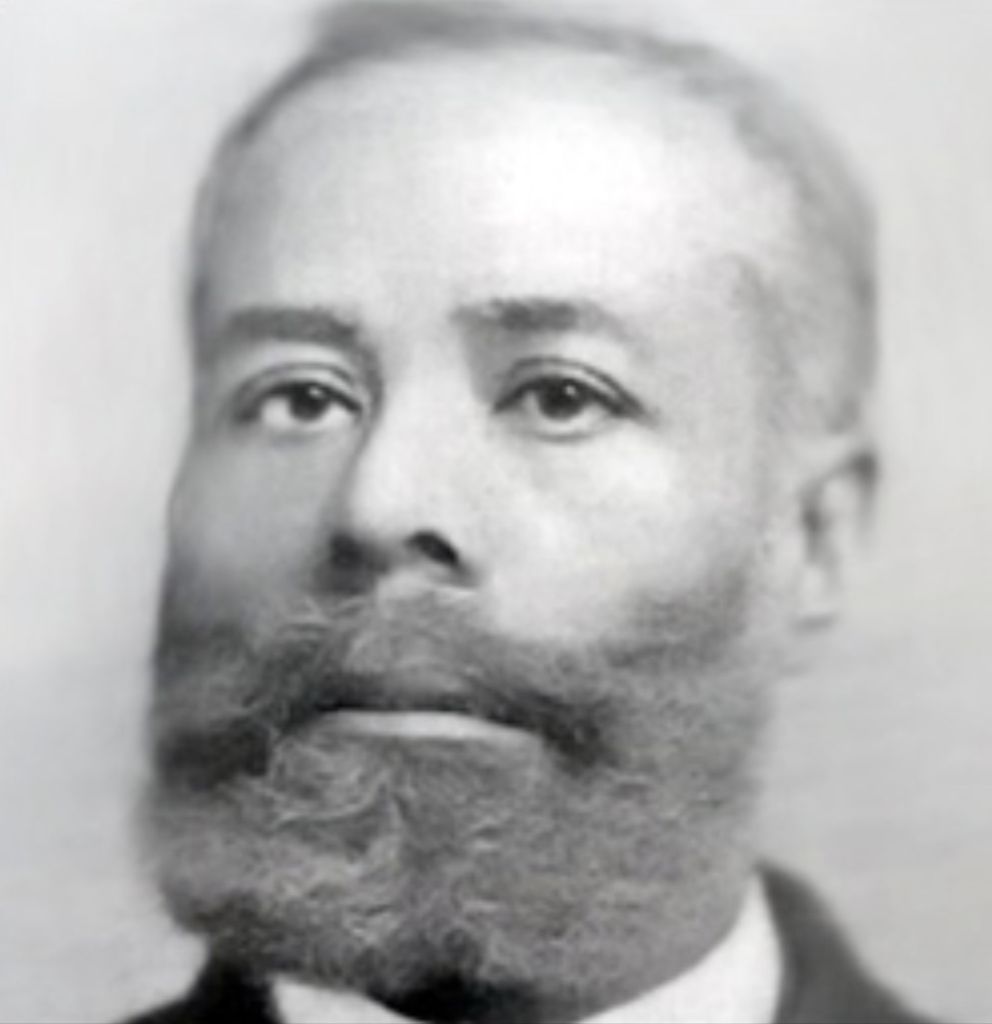
Why Philip B. Downing matters
Downing received patents for improvements to street letter boxes that allowed mail to be deposited securely from the street. His work addressed the interface between a national communications network and the everyday user.
The life and career around the milestone
Philip B. Downing was born March 22, 1857. The 1891 milestone belongs to the documented arc of the career rather than standing as an isolated date. The documented death or current-status entry is June 8, 1934; the life span is listed as 1857–1934. The clearest documented milestone is patented a street letter box design. Uncertain biographical details are left unstated rather than guessed.
What problem the work addressed
Postal systems were a core information network long before digital communications. Downing’s work belongs in technology history because infrastructure includes the physical interfaces that make networks usable. Downing received patents for improvements to street letter boxes that allowed mail to be deposited securely from the street. His work addressed the interface between a national communications network and the everyday user.
Inside the technology
A public letter box is a small piece of infrastructure: it must protect contents from weather and tampering while allowing reliable collection. Design details determine whether a communications system works smoothly at street level. Work in Postal infrastructure + mechanical design is constrained by reach, signal quality, compatibility, capacity, and reliability. A communications system is valuable only when information can move between endpoints under real conditions, not merely in a controlled test. For Philip B. Downing, that makes the architecture around the breakthrough as important as the individual component: the contribution sits inside a network whose usefulness grows when more people, devices, or institutions can connect through it.
The dated record
The timeline is anchored by 1891 · street letter box patents. Those dates matter because the contribution developed across more than one documented step rather than appearing as a single frozen moment. No separate company or launch year is stated unless it is supported by the historical evidence. A patent, experiment, or institutional contribution is evidence of technical work; it is not automatically evidence of mass production or commercial success.
From technical work to real-world use
Patent evidence is especially useful in Philip B. Downing’s story because it fixes a technical claim to a date and, when drawings survive, shows how the inventor described the mechanism. His patents became part of the broader evolution of secure public mail collection and remain one of the better-known examples of Black design in communications infrastructure. A patent still has limits as historical evidence: it does not by itself establish production volume, sales, wealth, or exclusive authorship of every later version of the idea. It documents technical work without implying a broader business claim.
The historical setting
The late nineteenth century was a period of mechanization, railroad growth, urbanization, and expanding patent activity. New devices could solve real industrial problems, yet invention alone did not guarantee capital, manufacturing, distribution, or public credit. Philip B. Downing’s milestone belongs inside that wider industrial transition. The technical claim stands on its own without assuming how widely the idea was manufactured or how much money it produced.
What changed because of the work
Postal systems were a core information network long before digital communications. Downing’s work belongs in technology history because infrastructure includes the physical interfaces that make networks usable. His patents became part of the broader evolution of secure public mail collection and remain one of the better-known examples of Black design in communications infrastructure. Taken together, those two pieces show why the milestone matters beyond biography. The first explains the constraint or opportunity; the second shows the change in capability, practice, infrastructure, or recognition that followed. That connection is what turns a dated achievement into technology history rather than a list of names.
What the record says—and what it does not
One of the most useful facts in the record is this: Downing received more than one patent related to the street letter box in 1891. Downing. When a celebrated ‘first’ claim is broader than the evidence safely supports, the narrower documented claim is the stronger history.
Why the technology still matters
The modern connection is direct in concept even when the tools have changed. Today’s systems still depend on reliable interfaces, good data, trustworthy automation, and architecture that can scale. A public letter box is a small piece of infrastructure: it must protect contents from weather and tampering while allowing reliable collection. Design details determine whether a communications system works smoothly at street level. The point is not that every modern product descends directly from Philip B. Downing’s work; it is that the same class of engineering problem—how to make information systems dependable and usable—remains central.
A lesson for builders now
The strategic lesson is specificity. Saying that Philip B. Downing was ‘innovative’ teaches almost nothing. Saying patented a street letter box design identifies an action, a problem, and a technical direction. That is the useful level of detail for builders: understand exactly what changed, why the previous approach was inadequate, and what had to be true for the new approach to work.
The legacy in one clear line
The strongest way to remember Philip B. Downing is specific: Patented a street letter box design. The strongest legacy is the specific, documented contribution itself.