Kimberly Bryant
Founded Black Girls CODE to expand programming access for Black girls
The breakthrough, the technology behind it, the world around it, and the impact that followed.
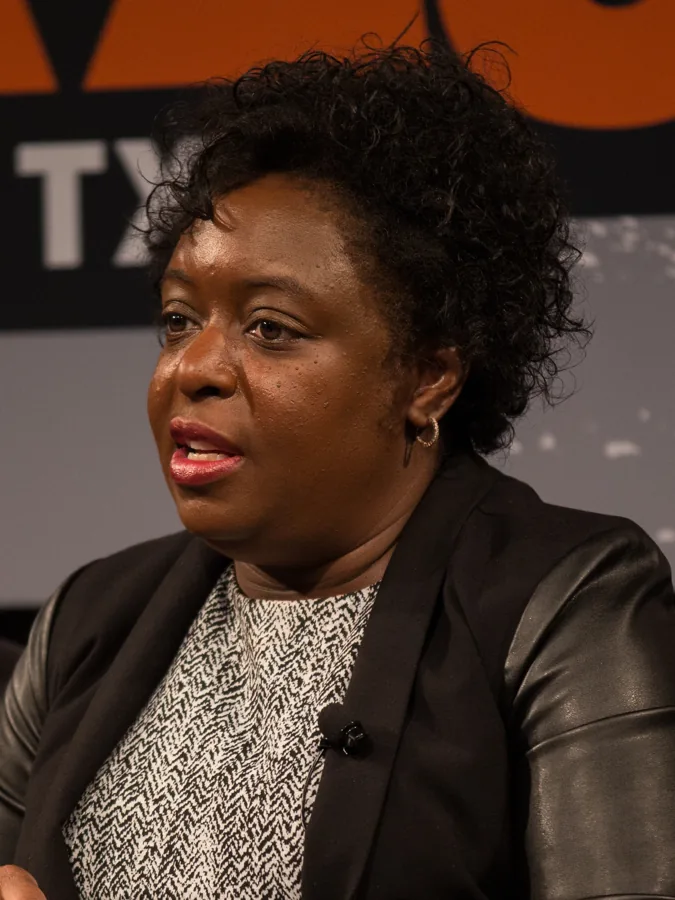
Why Kimberly Bryant matters
Bryant founded Black Girls CODE after seeing how few Black girls were represented in technology programs available to her daughter. The organization built workshops, camps and coding education around the explicit goal of changing who enters computing.
The life and career around the milestone
Kimberly Bryant was born January 14, 1967. The 2011 milestone belongs to the documented arc of the career rather than standing as an isolated date. The documented death or current-status entry is Living; the life span is listed as 1967–present. The clearest documented milestone is founded black girls code to expand programming access for black girls. Uncertain biographical details are left unstated rather than guessed.
What problem the work addressed
Black technology history includes not only inventions but the infrastructure that creates future inventors. Education access is part of the technical system. Bryant founded Black Girls CODE after seeing how few Black girls were represented in technology programs available to her daughter. The organization built workshops, camps and coding education around the explicit goal of changing who enters computing.
Inside the technology
Technical ecosystems depend on talent pipelines as much as hardware and software. Training programs determine who gains early exposure to programming, robotics, web development and the confidence to continue. The deeper engineering issue in Technology education + computing access is information flow: what is represented, how components exchange data, what happens when inputs are incomplete, and whether the system remains dependable as use expands. That lens is especially useful for reading Kimberly Bryant’s contribution because the visible product or milestone is only one layer; interfaces, data structures, protocols, models, or operating rules determine whether the technology can function beyond a demonstration.
The dated record
The timeline is anchored by 2011 · Black Girls CODE founded. Those dates matter because the contribution developed across more than one documented step rather than appearing as a single frozen moment. The business or launch record adds another concrete marker: Black Girls CODE founded 2011. That distinction separates technical creation from the organizational work needed to deploy, sell, or sustain technology.
From technical work to real-world use
The story also has an organizational dimension. Black Girls CODE grew into a nationally recognized organization that introduced thousands of young people to computing and helped make the lack of Black women in technology a visible industry issue. The dated company or launch marker is Black Girls CODE founded 2011. That matters because technology reaches society through institutions: teams have to finance it, operate it, support it, integrate it, and earn enough trust for other people to rely on it. The company is therefore part of the technical story, not a separate footnote.
The historical setting
The modern period surrounding Kimberly Bryant is defined by cloud computing, mobile access, data-intensive products, AI, platform businesses, and global technical teams. Speed is higher, but so are the stakes around trust, security, bias, access, regulation, and infrastructure dependence. The milestone on this page matters because it shows Black technologists helping shape those systems rather than appearing only as downstream users of them.
What changed because of the work
Black technology history includes not only inventions but the infrastructure that creates future inventors. Education access is part of the technical system. Black Girls CODE grew into a nationally recognized organization that introduced thousands of young people to computing and helped make the lack of Black women in technology a visible industry issue. Taken together, those two pieces show why the milestone matters beyond biography. The first explains the constraint or opportunity; the second shows the change in capability, practice, infrastructure, or recognition that followed. That connection is what turns a dated achievement into technology history rather than a list of names.
What the record says—and what it does not
One of the most useful facts in the record is this: Bryant is an electrical engineer by training and built the organization from a personal observation about her daughter’s access to computing education. When a celebrated ‘first’ claim is broader than the evidence safely supports, the narrower documented claim is the stronger history.
Why the technology still matters
The modern connection is direct in concept even when the tools have changed. Today’s systems still depend on reliable interfaces, good data, trustworthy automation, and architecture that can scale. Technical ecosystems depend on talent pipelines as much as hardware and software. Training programs determine who gains early exposure to programming, robotics, web development and the confidence to continue. The point is not that every modern product descends directly from Kimberly Bryant’s work; it is that the same class of engineering problem—how to make information systems dependable and usable—remains central.
A lesson for builders now
For builders, the most transferable lesson is to study the constraint before admiring the artifact. Kimberly Bryant’s documented milestone was to founded Black Girls CODE to expand programming access for Black girls. Black technology history includes not only inventions but the infrastructure that creates future inventors. Education access is part of the technical system. A strong product strategy starts the same way: identify the failure, bottleneck, or exclusion clearly enough that the design decision becomes obvious in hindsight.
The legacy in one clear line
The strongest way to remember Kimberly Bryant is specific: Founded Black Girls CODE to expand programming access for Black girls. The strongest legacy is the specific, documented contribution itself.